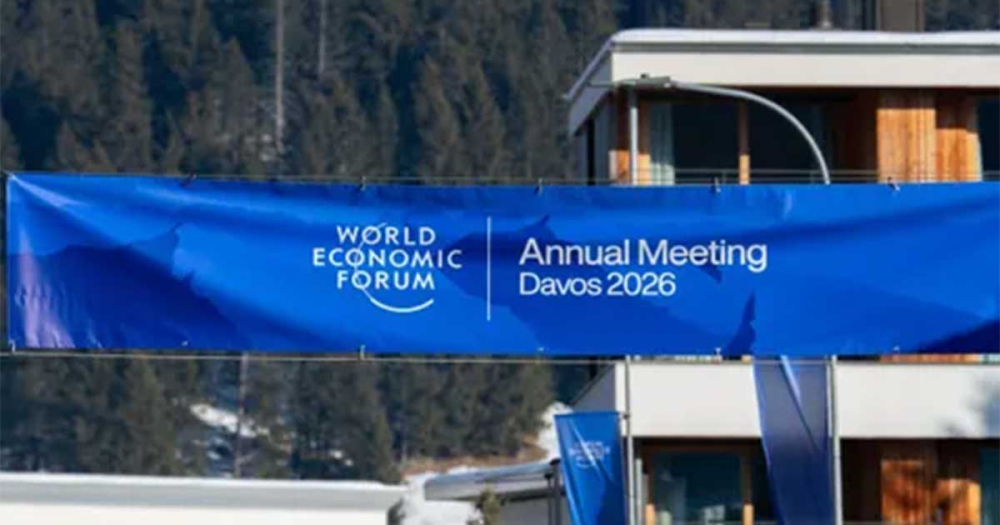

The 2026 World Economic Forum (WEF) in Davos, Switzerland, once again gathered political leaders, business representatives, and investors under the shared aim of discussing global economic and policy challenges. This year’s forum highlighted some differences in how major powers approach energy transitions, climate policy, and economic competitiveness, reflecting broader dynamics in global markets and geopolitics.
At the centre of discussions were differing perspectives on the green transition. China reaffirmed its commitment to green development and called for international collaboration, while representatives from the United States offered critiques of European net-zero goals. These exchanges underscore not only policy differences but also how investors and other market participants assess long-term energy and economic trends.
China’s Green Agenda: Coordinated Growth and Strategic Focus
Chinese Vice Premier He Lifeng outlined Beijing’s priorities in reducing greenhouse gas emissions and promoting green growth through investments in solar, batteries, electric vehicles, and other low-carbon technologies. He emphasized that the upcoming five-year plan would reinforce these goals and encouraged global companies to engage in China’s green infrastructure and energy initiatives.
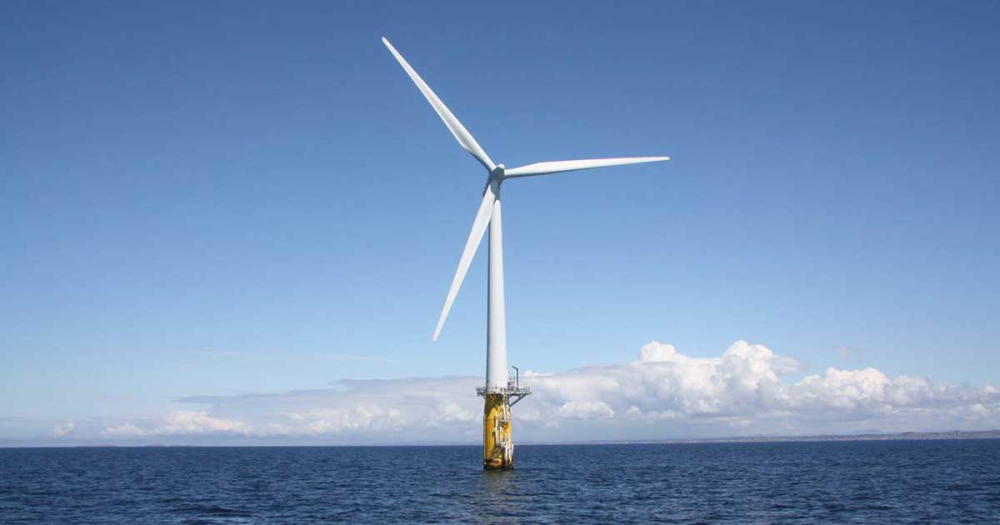
While some observers remain cautious about the long-term implications of China’s renewable strategy, reports indicate that China continues to be a leader in renewable energy deployment, maintaining the world’s largest installed wind power capacity. The country’s efforts reflect both domestic policy priorities and strategic ambitions in clean global energy supply chains, including solar, wind, and battery technologies. Cooperation between Europe and China on climate initiatives has advanced pragmatically, even in the absence of full U.S. participation.
Platforms such as the World Business Council for Sustainable Development (WBCSD) and bilateral dialogues illustrate China’s preference for structured partnerships that integrate international firms into its green transition framework, emphasizing practical implementation and scaling.
U.S. Perspective: Caution and Strategic Considerations
The United States delegation, led by Commerce Secretary Howard Lutnick, provided a different perspective. Officials highlighted potential economic and strategic risks associated with Europe’s net-zero targets, suggesting that overreliance on China for critical technologies could pose challenges. This reflects a measured approach, emphasizing energy security and industrial competitiveness alongside climate goals.
U.S. policymakers have expressed scepticism toward certain green policies, noting economic considerations and the importance of maintaining a balanced energy portfolio. The messaging at Davos highlighted that, while supporting renewable energy, there is a preference for policies that carefully weigh costs, strategic dependencies, and market realities.
Policy Divergence and Global Energy Governance
The discussions at Davos highlighted three areas of divergence with implications for global energy policy:
- Climate Leadership Approaches
Differences between China, the U.S., and the EU illustrate varied priorities in pursuing decarbonization. China and the EU continue to advance climate strategies that balance industrial competitiveness and emissions reduction, while the U.S. emphasizes strategic autonomy and energy security. These variations underscore the need for pragmatic approaches to multilateral climate cooperation.
- Market Responses
Investors continue to respond to underlying economic fundamentals, including renewable energy growth potential, energy storage, and technology deployment, even when policy positions diverge. This demonstrates that market decisions often rely on tangible growth and structural demand rather than political statements alone.
- Technological Competition
Leadership in batteries, hydrogen, solar panels, and wind turbines has become a strategic priority. Control over these technologies and associated supply chains contributes to economic and geopolitical resilience. China’s manufacturing leadership, Europe’s policy response, and U.S. focus on domestic energy capabilities reflect a multipolar environment where policy, markets, and strategic planning intersect.
Implications for Policy and Planning
The 2026 Davos discussions illustrate that climate and energy policies now operate within a complex geopolitical context. Key considerations for policymakers include:
- Developing climate cooperation mechanisms that are resilient to political fluctuations.
- Integrating industrial and climate strategies to maintain competitiveness alongside decarbonization objectives.
- Recognizing that private capital may drive practical outcomes independently of state-level consensus.
For analysts and stakeholders, the forum reinforces the importance of practical, flexible, and resilient approaches to climate policy, which account for both scientific evidence and geopolitical realities. The global energy transition will depend on careful coordination among policymakers, investors, and industrial actors, where real change occurs not only in multilateral forums but also in boardrooms and national planning agencies.
Ultimately, Davos 2026 reflected a pragmatic assessment of the pathways to sustainable energy development and the strategic considerations shaping the evolving global energy landscape.
References
Balkan Green Energy News. (2026, January 22). Davos: China reaffirms green agenda as US slams EU’s net-zero goal.
Forbes. (2025, August 4). China and the EU move forward on green energy without the US. https://www.forbes.com/sites/wesleyhill/2025/08/04/china-and-the-eu-move-forward-on-green-energy-without-the-us/
Global Times. (2026, January 21). China defends wind power strategy after Trump’s criticism at Davos 2026. https://www.globaltimes.cn/page/202601/1354021.shtml
Reuters. (2026, January 22). China defends wind power strategy after Trump’s criticism at Davos 2026. https://www.reuters.com/business/energy/china-defends-wind-power-strategy-after-trumps-criticism-davos-2026-01-22/
Semafor. (2026, January 22). Why the smart money is betting against Davos. https://www.semafor.com/article/01/22/2026/why-the-smart-money-is-betting-against-davos
Financial Times. (2026, January 22). Davos under pressure: Can the alpine summit maintain its influence? https://www.ft.com/content/da52a13e-98ff-4df5-9122-f80abd43ebe7
InvestingLive. (2026, January 21). Risk-off Tuesday hits US assets amid Trump-Davos de-escalation probability. https://investinglive.com/stock-market-update/risk-off-tuesday-hit-us-assets-raising-trump-davos-de-escalation-probability-taco-yum-20260121/
DinarRecaps. (2026, January 22). Seeds of wisdom: Economics updates Thursday afternoon. https://dinarrecaps.com/early/seeds-of-wisdom-rv-and-economics-updates-thursday-afternoon-1-22-26