
On January 16, 2026, the Slovak Republic and the United States formalized a Civil Nuclear Power Agreement, signalling a major development in nuclear cooperation and energy policy for Central Europe. The agreement, signed by U.S. Energy Secretary Chris Wright and Slovak Prime Minister Robert Fico in Washington, establishes a bilateral framework for expanded collaboration on Slovakia’s nuclear energy program. It reflects shared priorities in energy security, technological modernization, and long-term infrastructure planning, while also underscoring Slovakia’s strategic intent to diversify nuclear partnerships beyond traditional suppliers.
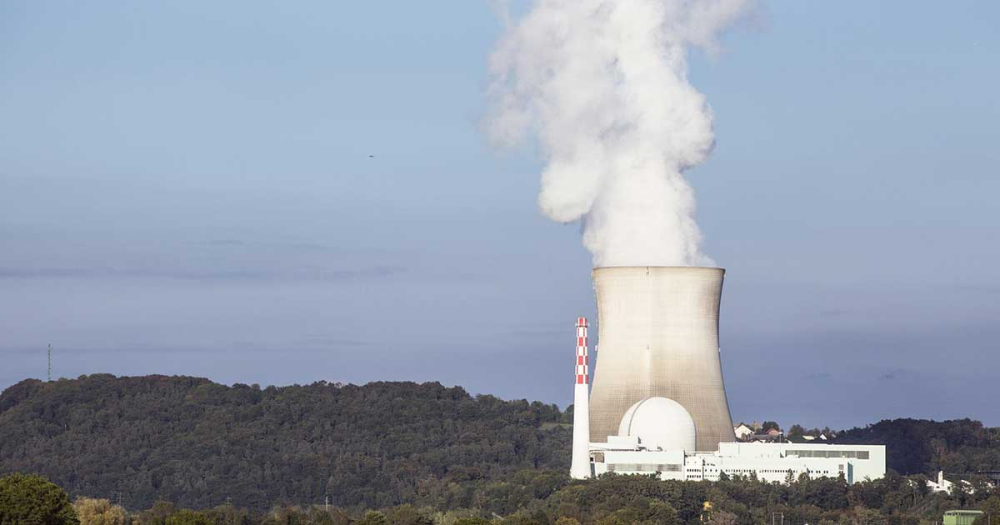
Prime Minister Fico described the deal as “sovereign, confident, and exceptionally important” for Slovakia’s energy security, highlighting both its political and technical significance. Central to the agreement is the development of a U.S.-designed reactor at the Jaslovské Bohunice Nuclear Power Plant, anticipated to deliver nearly 1,200 megawatts. This represents a significant step toward transitioning from older Soviet-era VVER designs to advanced Western reactor technology. Cooperation with Westinghouse Electric Company is expected to enhance operational safety, introduce modern reactor designs, and strengthen the technological base of Slovakia’s nuclear fleet.
Slovakia’s Nuclear Landscape
Slovakia has long been a nuclear-reliant electricity producer. As of 2025, the country operates six reactors across two sites, Bohunice and Mochovce, with a combined net installed capacity of approximately 2,748 MWe, including the recently commissioned Mochovce-4 unit. These reactors, primarily VVER 440 designs, have provided a stable baseload for decades, while the addition of Mochovce-4 in late 2024 expanded generation by roughly 440 MWe, reinforcing energy self-sufficiency and reducing dependence on imported fossil fuels.
Reactors operating in Slovakia
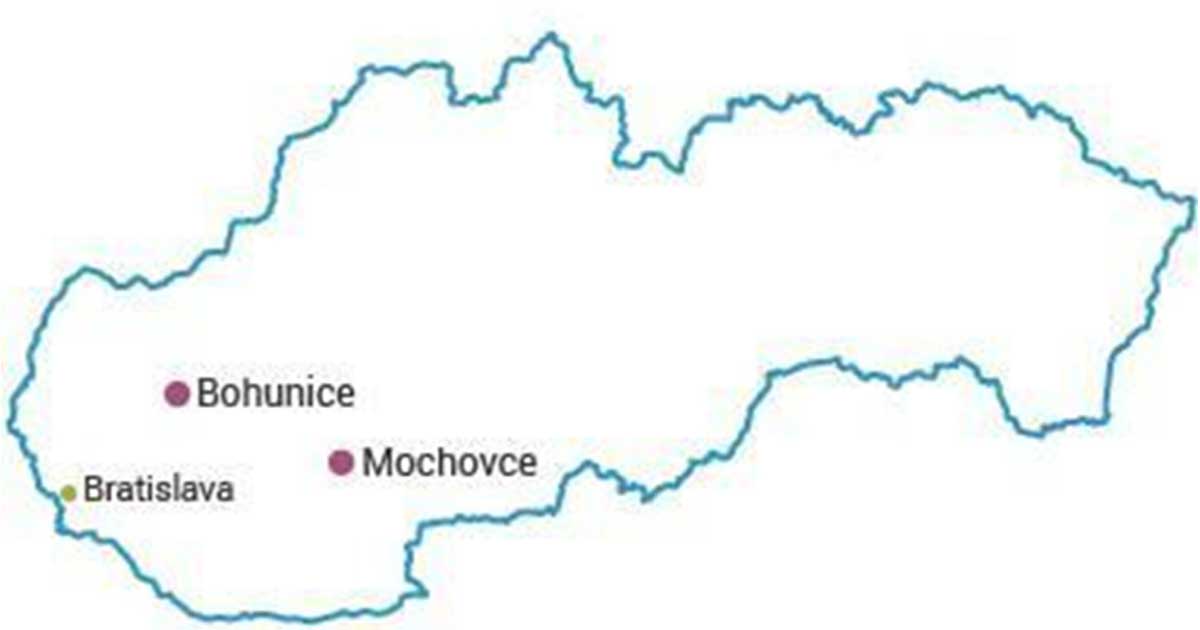 Source: World Nuclear Association. (2025). Nuclear power in the European Union.
Nuclear power accounts for approximately 63% of Slovakia’s electricity generation, the highest share in Central Europe and significantly above the EU average of 23%. This positions Slovakia just behind France, where nuclear represents 65% of electricity output, and ahead of countries such as Romania, Spain, and Germany. Slovakia’s strategy also includes diversification of fuel supply: recent contracts with Westinghouse and Framatome allow the country to reduce reliance on Russian nuclear fuel, supporting broader EU energy security objectives.
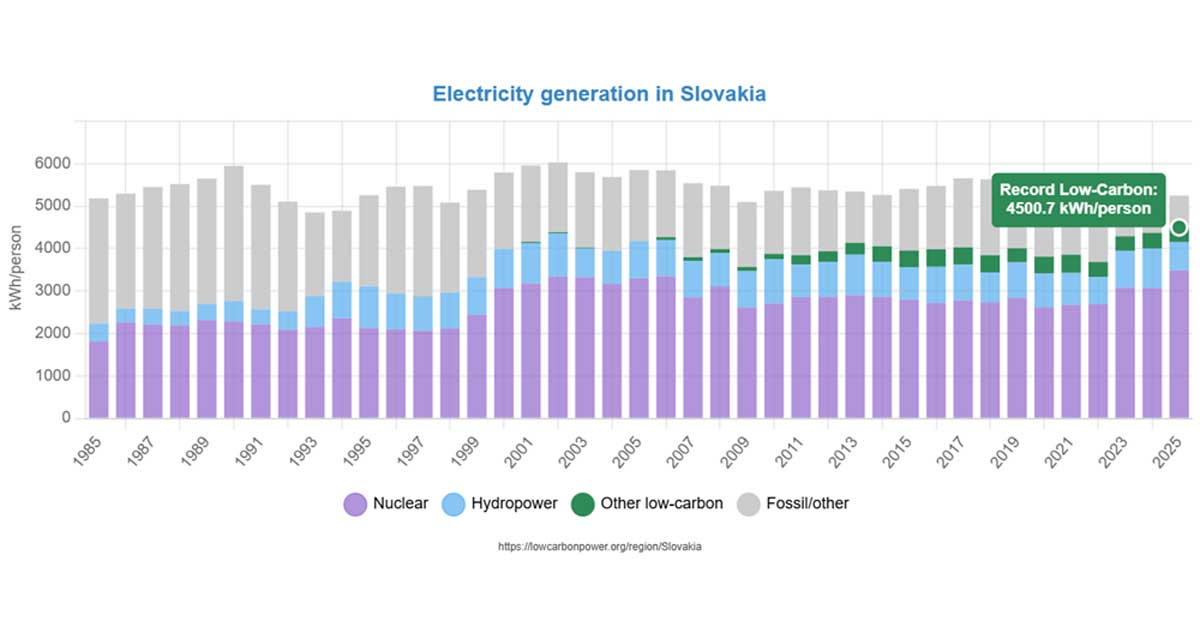 Several structural factors underpin Slovakia’s commitment to nuclear energy. First, it provides a reliable and low-carbon baseload, complementing variable renewable sources. Second, domestic nuclear generation strengthens energy security by mitigating exposure to volatile fossil fuel markets. Third, ongoing cooperation with U.S. nuclear technology enables modernization and supply chain resilience. Finally, surplus nuclear output allows Slovakia to export low-carbon electricity to neighbouring countries, contributing to regional energy stability and decarbonization.
Regional Implications
The Slovakia-U.S. agreement has strategic consequences for Central Europe. For neighbouring countries such as the Czech Republic, Poland, and Hungary, it underscores the importance of diversifying nuclear partnerships and technologies. While the Czech Republic pursues South Korean nuclear expansion and Poland advances U.S.-backed nuclear projects, Slovakia’s engagement with the United States reinforces transatlantic cooperation as a practical tool for securing energy infrastructure.
The deal also offers industrial and technological benefits, including workforce development, training programs, and enhanced supply chain integration. For the EU, Slovakia’s nuclear expansion illustrates the value of combining domestic generation capacity with international partnerships to support energy security, regional stability, and decarbonization.
Slovakia ranks among the leading nuclear energy producers in the EU, with its 2,748 MWe net installed capacity and 63% nuclear share of electricity. The country’s reliance on nuclear power situates it as a central low-carbon electricity provider, comparable to Hungary and Belgium, and strategically important for regional electricity markets. Across the EU, nuclear power remains a major contributor to low-carbon electricity, with countries like France, the Czech Republic, and Slovakia maintaining high nuclear dependency. The EU exhibits a heterogeneous nuclear profile, with some members phasing out reactors and others investing in upgrades and new construction. Slovakia’s ongoing expansion and diversification align with broader EU trends of using nuclear energy to achieve emissions reduction, enhance energy autonomy, and stabilize electricity grids.
Conclusion
The planned nuclear project, one of the largest infrastructure investments in Slovak history with an estimated value in the range of €13-15 billion, underscores the scale of ambition behind expanding and modernizing national nuclear capacity. This initiative reflects Slovakia’s commitment to bolstering baseload generation, reducing dependence on fossil fuel imports and legacy reactor designs, and enhancing overall energy autonomy within the European context. As Slovakia’s nuclear share continues to exceed that of most EU member states, and Hungary similarly relies on nuclear for a significant portion of its electricity, the ongoing expansion of generation capacity in both countries underscores the enduring relevance of nuclear energy in meeting decarbonization goals and stabilizing electricity markets across the region.
References
Barron’s. (2026, January 18). Slovak PM hails nuclear energy deal after Trump meeting. Barron’s.
Bloomberg. (2026, January 18). Trump, Slovak premier Fico meet to bolster ties, nuclear deal in focus. Bloomberg.
Euractiv. (2026, January 16). Slovak PM to meet Trump eyeing nuclear plant deal. Euractiv.
Euronews. (2026, January 16). Slovakia’s Fico to meet Trump in Florida on Saturday with nuclear plant deal in focus. Euronews.
Energy.gov. (2026, January 16). US Energy Secretary and Slovakia’s Prime Minister sign agreement to advance US–Slovakia civil nuclear cooperation. U.S. Department of Energy.
Reuters. (2026, January 16). US, Slovakia sign civil nuclear power agreement. Reuters.
Miklánová, M., Novák, P., & Havel, J. (2023). Nuclear energy development in Central Europe: Trends and policy implications. Energies, 17(21), 5390. https://doi.org/10.3390/en17215390
Sadeghi, R., Nowak, S., & Petrović, D. (2024). Energy security and nuclear expansion in the EU: Comparative analysis. Energy Policy, 185, 113-129. https://doi.org/10.1007/s12667-023-00630-y
World Nuclear Association. (2025). Nuclear power in the European Union. World Nuclear Association.